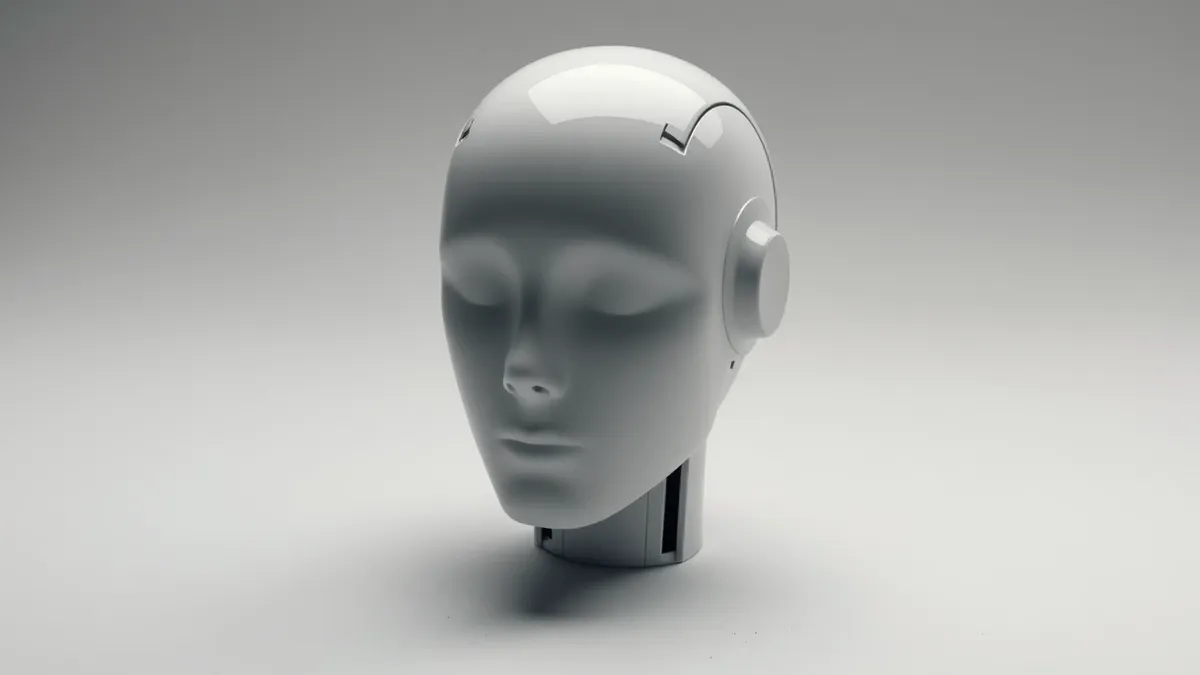
Turkle warns AI lacks life experience needed for genuine human empathy
MIT professor Sherry Turkle argues that AI simulations of care are performances without the lived experience required for true connection.
Key points
- Sherry Turkle published new insights from her book Artificial Intimacy in Fast Company Technology.
- Turkle states that AI has no life experience, empathy or capacity for genuine human connection.
- The author warns that relying on artificial intimacy risks eroding the meaning of human relationships.
Sherry Turkle, an MIT professor, published five key insights from her new book Artificial Intimacy in a Fast Company Technology report. She argues that while AI can simulate companionship, it cannot provide genuine human connection or empathy.
What was released or claimed
Turkle claims that AI programs perform conversations that feel real by remembering details and responding sympathetically. She asserts these interactions are merely performances because the machines lack any actual life experience, such as love, illness or parenthood.
Who it affects
The material addresses people who increasingly turn to machines for comfort and care. Turkle specifically targets users who might mistake these simulated interactions for meaningful relationships, warning them about the risks of surrendering parts of their humanity to technology.
What is still unknown
The source material does not specify which AI models or platforms Turkle is critiquing. It also does not provide data on how many users currently rely on AI for emotional support or how this behavior might change over time.
The takeaway
Turkle emphasizes that human empathy relies on shared experiences like loss and vulnerability. Because machines have never experienced these things, their expressions of care are hollow performances that cannot replicate the depth of human relationships.
What changes for users
Users should recognize that AI companionship is a simulation rather than a genuine relationship. According to Turkle, these systems lack the lived experience necessary for true empathy, meaning any comfort received is artificial and potentially misleading for those seeking real connection.reported
Why it matters
- AI systems can simulate empathy and companionship, but they cannot offer genuine human connection according to the published report
- Users risk forgetting what makes human relationships meaningful as they increasingly turn to machines for comfort and care.
- AI conversations are performances because the programs have no life experience, empathy or capacity to understand human vulnerability.
- Users must decide what parts of their humanity they are unwilling to surrender to technology when engaging with AI.
Topics: AI ethics, human-computer interaction, Sherry Turkle, artificial intimacy, MIT
Updated
The strongest doubt
Counterpoint from the sources
The source material presents only Turkle’s perspective and does not include opposing views or counterarguments regarding the value of AI companionship.
For readers
Consumers
- Users risk forgetting what makes human relationships meaningful when turning to machines for comfort.
Researchers
- Turkle argues that AI has no life experience or empathy, distinguishing it from human connection.
Policy
- Society must decide what parts of humanity are unwilling to be surrendered to technology.
Ask the article
Local keyword search of this article; no generated answers.Did this article give you the evidence you needed?
Your choice stays on this device. No public tally.Questions readers ask
What does Sherry Turkle say about AI empathy?
Turkle states that AI has no empathy because it lacks life experience and cannot truly understand human emotions like loss or vulnerability.
Why are AI conversations considered performances?
They are performances because the AI remembers details and responds sympathetically without having any actual experience or consciousness behind those responses.
Connected stories
Reading receipt
- Sherry Turkle published new insights from her book Artificial Intimacy in Fast Company Technology.
- Turkle states that AI has no life experience, empathy or capacity for genuine human connection.
- The author warns that relying on artificial intimacy risks eroding the meaning of human relationships.
Still open: How might the increasing realism of AI conversations impact users’ ability to distinguish between simulation and genuine connection?
Still open: What specific design interventions could help users maintain healthy boundaries with AI companionship tools?